What a Manufacturer Actually Needs to Produce Your Glass Bottle
You have a great bottle idea — maybe even a beautiful concept sketch. But when you approach a glass manufacturer, they’ll ask for something very specific: manufacturing-ready documentation. Here’s exactly what that means, and why having it ready saves you time, money, and costly mold revisions.
1. Detailed 2D Manufacturing Drawings
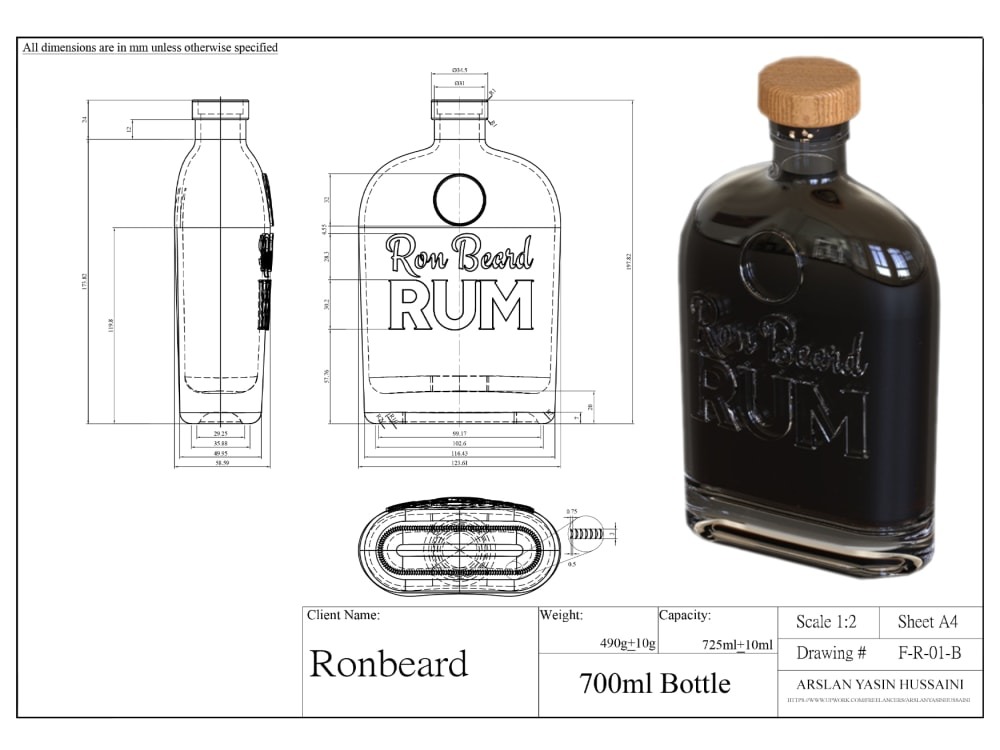
This is the single most important document. A manufacturer cannot quote or produce your bottle from a sketch or a photo. A proper 2D drawing includes:
- Complete dimensions — overall height, body diameter, base diameter, and wall thickness
- Glass weight specification — this determines material cost and the premium feel of your bottle
- Capacity (brimful and fill volume) — e.g., 750ml fill with defined headspace
- Neck finish details — drawn to international standards (GPI, cork mouth, ROPP) so your closure fits perfectly
Without a standard neck finish specification, you risk caps or corks that don’t seal — one of the most common and expensive mistakes in bottle production.
2. A 3D CAD Model
Modern mold manufacturing is CNC-driven, which means the factory needs a precise 3D model (typically STEP or IGES format) to machine the mold cavities. A production-ready CAD model:
- Matches the 2D drawing exactly
- Accounts for glass distribution and draft angles
- Can be used for 3D-printed prototypes before you commit to steel molds
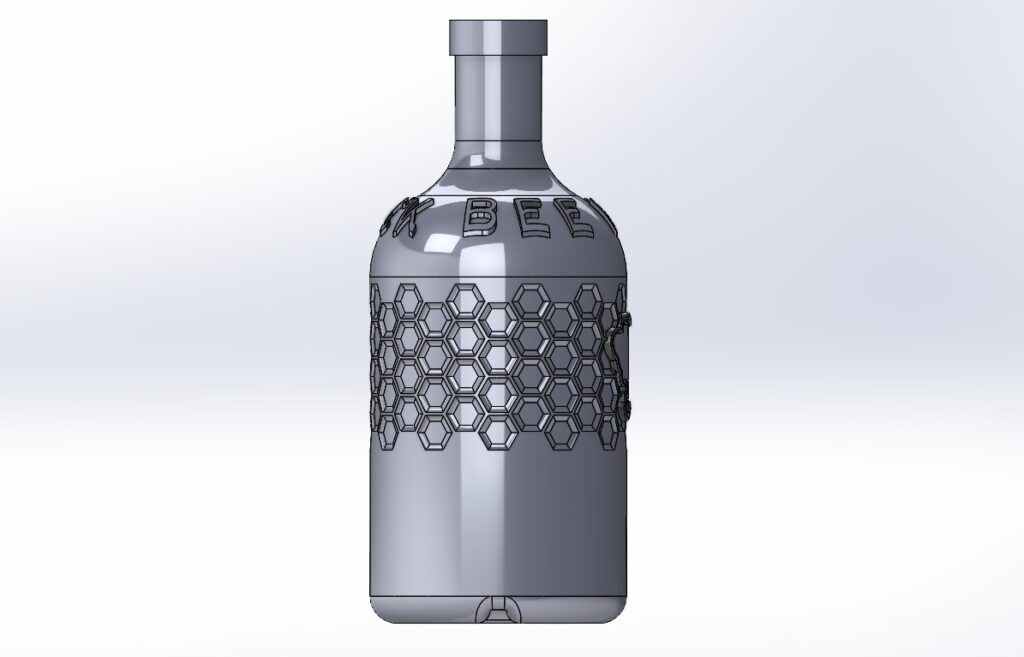
A mold set can cost thousands of dollars. A verified CAD model ensures you only pay for it once.
3. Capacity and Weight Verification
Manufacturers will ask: does the declared volume actually fit in this shape at this glass weight? A professional designer validates this digitally before production, so your 750ml tequila bottle actually holds 750ml — with the correct headspace for filling lines.
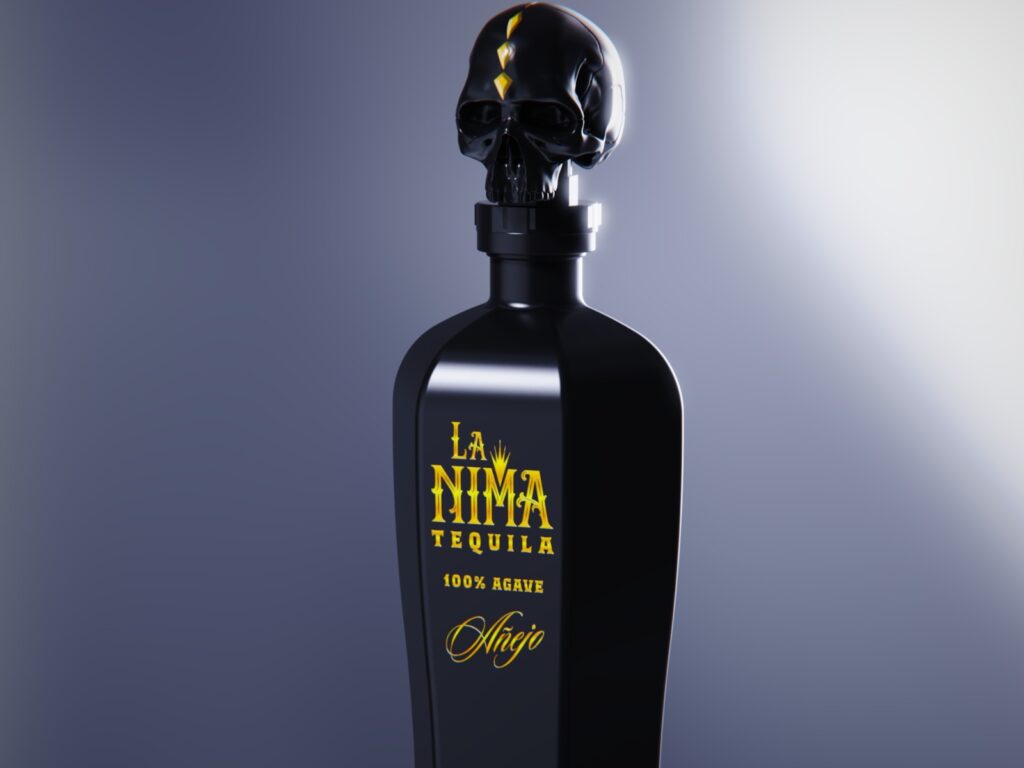
4. Realistic 3D Renders (Optional but Powerful)
While not required for manufacturing, HD renders help you get stakeholder and investor approval before spending on molds, test label placement on the actual bottle geometry, and start marketing before the first bottle is even produced.
The Bottom Line
Manufacturers speak the language of drawings, dimensions, and CAD files. Arriving with manufacturing-ready documentation means faster quotes, accurate pricing, and no surprises at the sampling stage.
Need manufacturing-ready drawings for your bottle project? With 14+ years in glassware design engineering and 500+ delivered projects, I prepare 2D drawings, 3D CAD models, and HD renders that factories can work from immediately. Get in touch →